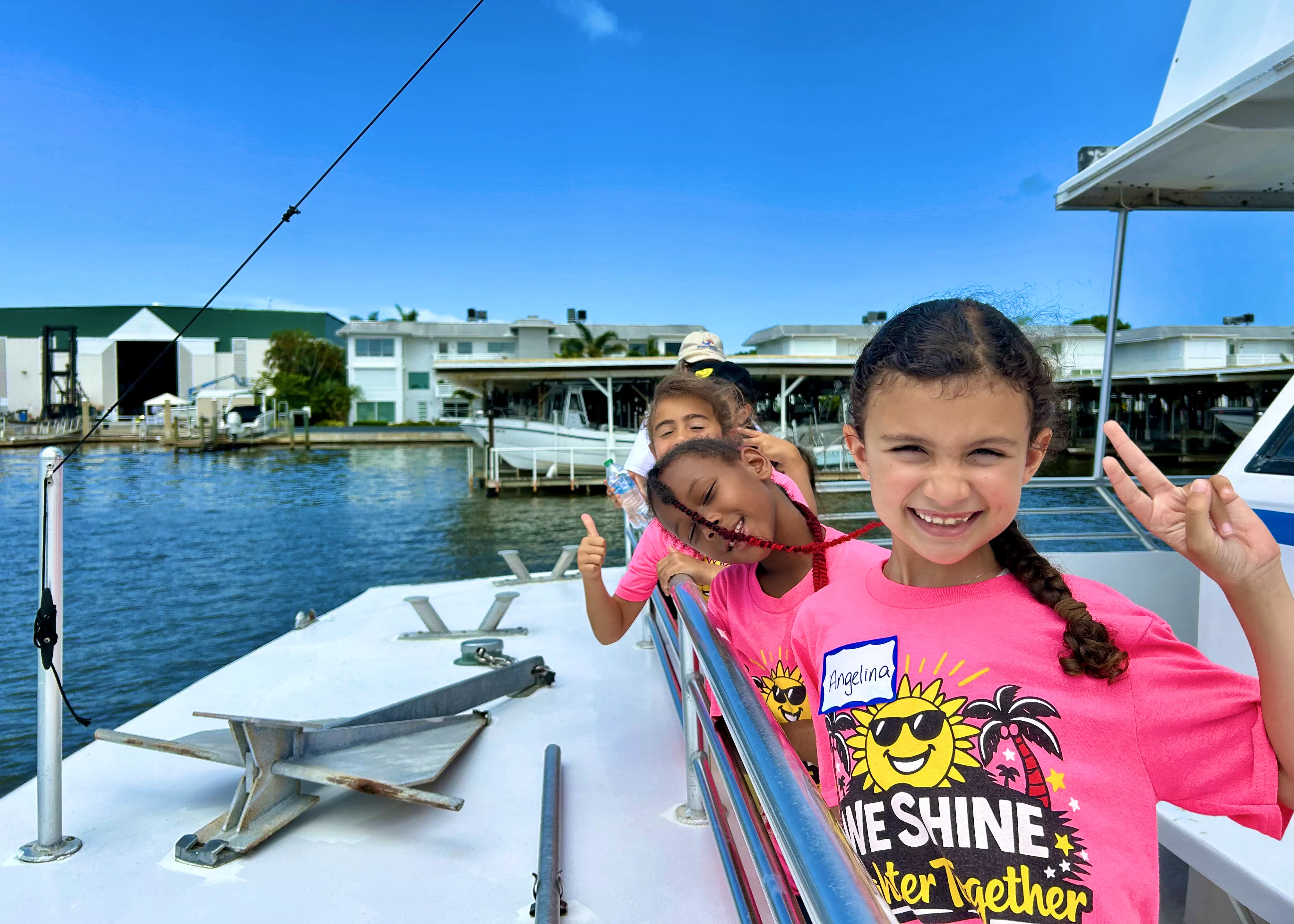
Do You Know the Science Behind Therapeutic Boating?
Posted Aug. 10, 2026 in News

When a boat rocks and glides across the water, something powerful happens inside the body. That gentle motion sends signals to the balance system in your inner ear — and that system is wired directly into the parts of the brain that manage stress, emotion, and calm. That connection is the real science behind why therapeutic boating works.
Your Balance System Does More Than Keep You Upright
Deep inside your ear is a balance system that senses movement in every direction: up and down, side to side, tilting, turning. On a boat, these senses are gently activated at once, at just the right pace to get your brain’s full attention.
Studies aboard ships show that within just a few hours, people’s bodies adjust to the motion and find their “sea legs.” Their brains are literally re-learning how to balance, blending information from the inner ear, the eyes, and the muscles. This natural retraining is a form of sensory exercise that happens automatically, just from being out on the water.
The Balance System Talks to the Emotional Brain
Here’s the key connection: the nerves from your inner ear don’t stop at the parts of the brain that manage posture. They also reach directly into the parts of the brain that manage fear, memory, and stress, including:
- The amygdala: your brain’s alarm system, which detects threats and drives emotional intensity
- The hippocampus: which handles memory and helps regulate the stress response
- The insula and cingulate cortex: which shape self-awareness and emotional processing
- The hypothalamus and related stress centers: which control the body’s automatic “fight-or-flight” response
Because of this wiring, gentle, rhythmic rocking motion can calm these alarm systems down. Research shows it can lower stress hormones and shift the body out of fight-or-flight mode and into a calmer, more relaxed state.
In other words, the rocking of a boat isn’t just relaxing — it sends a real physiological signal of safety to the very same brain circuits involved in anxiety, hyperarousal, and sensory overload.
Why This Matters
For people with autism. Many people on the autism spectrum experience their balance system differently — either overly sensitive or under-responsive — which can contribute to meltdowns, difficulty with transitions, and trouble regulating emotions. Gentle, consistent balance input, like the kind you get on a boat, is already used in sensory-integration therapy to help calm the nervous system. Research has shown it can improve focus and balance and reduce hyperactivity.
For veterans with PTSD or brain injury. Balance problems are one of the most common lasting effects of traumatic brain injury. And PTSD keeps the brain’s stress and fear systems on high alert. Because boat motion calms those same systems, it offers a natural, low-pressure way to help veterans’ nervous systems settle down — without the intensity of clinical treatment.
Your Brain on a Boat
The benefits of therapeutic boating go beyond the balance system. Boating triggers a restful state. It offers a way to step outside daily routines, letting the brain reset, think beyond current circumstances, and connect to something bigger than ourselves. Time on the water brings about real changes in body and mind, touching health and wellness, awe and wonder, creativity and play, and happiness and relaxation:
- Boating resets the brain: time on the water has been shown to offer relaxation, restoration, and happiness, along with the added benefits of exercise, social time, and a connection with nature.
- Boating is meditative: doing absolutely nothing is a lost art in our society, but it’s more important than ever. Time in nature, especially time spent near water, is a valuable way to offset the stress of modern life and work.
- Boating is awe-inspiring: awe is an important emotion that helps us get outside ourselves and is closely tied to meaning, purpose, compassion, and self-worth. Water is one of the best sources of wonder, and boating lets people experience it firsthand.
- Boating promotes play and creativity: stress is shown to inhibit creativity, and one of the best remedies is play, which triggers the release of endorphins. Watersports and time on the water are a source of play that bring out the body’s natural feel-good chemicals.
- Boating appeals to our senses: the mere sight of water can trigger a flood of neurochemicals that promote wellness. A lifelong relationship with water, built through boating, brings lasting cognitive, emotional, social, and spiritual benefits for people of all ages and abilities.
The Takeaway for Freedom Waters Foundation
Therapeutic boating isn’t just a nice day on the water. It’s a real, science-backed way to help the brain and body find calm. The steady motion of a boat taps into a built-in connection between our sense of balance and our sense of safety — offering people with autism, veterans, and others who struggle with sensory regulation a natural path toward feeling calmer, more grounded, and more at ease.
For Freedom Waters Foundation, that means every outing on the water is doing real work: not just recreation, but healing.
Backed by Research
This page reflects peer-reviewed research on the connection between the body’s balance system and the brain’s stress and emotion centers, published in journals including the Journal of Neurology, PLoS ONE, and Frontiers in Psychology, along with clinical studies on sensory-integration therapy for autism and vestibular effects of traumatic brain injury. Full citations are available on request.
Freedom Waters Foundation would like to extend a special thank you to Dr. Darcy Dane of Naples Brain Center for sharing this documented science and research in support of therapeutic boating.
Selected Key Sources
Rajagopalan et al. (2017). Understanding the links between vestibular and limbic systems regulating emotions. J Nat Sci Biol Med.
Neumann et al. (2023). Common neural correlates of vestibular stimulation and fear learning: An fMRI meta-analysis. J Neurol.
Stoffregen et al. (2013). Getting your sea legs. PLoS ONE.
Winter et al. (2012). Vestibular stimulation on a motion-simulator impacts on mood states. Front Psychol.
Kumar Goothy & McKeown (2023). Anxiolytic effects of vestibular stimulation: An update. J Basic Clin Physiol Pharmacol.
Additional supporting literature on sensory integration in ASD, cerebellar involvement, and postural control is available in the full scientific foundation document.